
BACP Registered: What It Means and Why It Matters

By Kate Renton | Counsellor in Torquay
When you're looking for a therapist, you'll often see letters after names - MBACP, BACP Accred., UKCP, and others. It can feel like alphabet soup if you don't know what you're looking at.
Here's a straightforward guide to what BACP registration actually means, and why it's worth checking before you book with anyone.
What is the BACP?
The British Association for Counselling and Psychotherapy is the UK's largest professional body for therapists and counsellors. It sets standards for training, ethics, and practice - and it holds its members accountable to those standards.
In the UK, the title "counsellor" or "therapist" isn't legally protected. That means, technically, anyone can use it regardless of their training or experience. The BACP exists partly to address that gap.
What does BACP registration mean in practice?
To become a registered member of the BACP, a therapist must:
Hold a recognised qualification in counselling or psychotherapy (at minimum a Level 4 Diploma)
Demonstrate ongoing professional development - learning doesn't stop at qualification
Work under regular clinical supervision, which is an ethical requirement, not optional
Agree to and practise within the BACP's Ethical Framework
Be subject to a complaints procedure if something goes wrong
That last point matters more than people realise. If you work with a therapist who isn't registered with a professional body, you have very limited recourse if something feels wrong. With a BACP registered therapist, there's a formal process.
BACP Registered vs BACP Accredited — is there a difference?
Yes. BACP Registered membership is the standard level, confirming that a therapist meets the professional requirements above. BACP Accreditation is a higher level, awarded to therapists who have completed substantial supervised practice hours beyond their initial qualification and met additional criteria around reflective practice.
Both are legitimate. Registered membership is what to look for as a baseline when choosing a therapist.
Why I think it matters
I'm a registered member of the BACP, and I hold it as a genuine professional commitment rather than a box to tick.
The requirement for ongoing supervision is the part I value most. Every practising counsellor should have a supervisor - an experienced therapist who reviews their work, challenges their thinking, and helps them stay effective and ethical. It protects clients. It also makes therapists better at what they do.
Ongoing professional development matters too. The field moves. Research develops. Good practice evolves. Staying registered means staying engaged with that.
What to check when looking for a therapist in Torquay
If you're searching for a counsellor in Torquay or the wider Torbay area, here are three simple things worth verifying:
Are they registered with a professional body? BACP, UKCP, NCS, and COSCA are the main ones. You can search the BACP's online register at bacp.co.uk to confirm membership is current.
Do they work under clinical supervision? It's fine to ask this directly. A good therapist will welcome the question.
Do they have a clear complaints process? This should be in their terms or privacy documentation.
You deserve to feel safe and confident in whoever you work with. Checking these things isn't distrust - it's common sense.
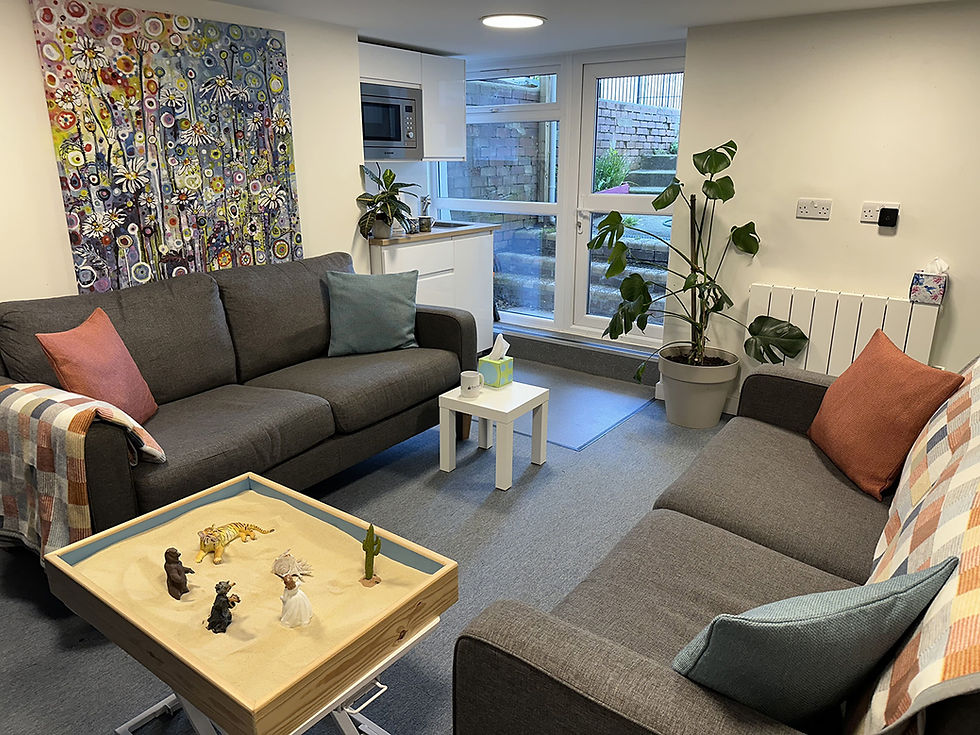
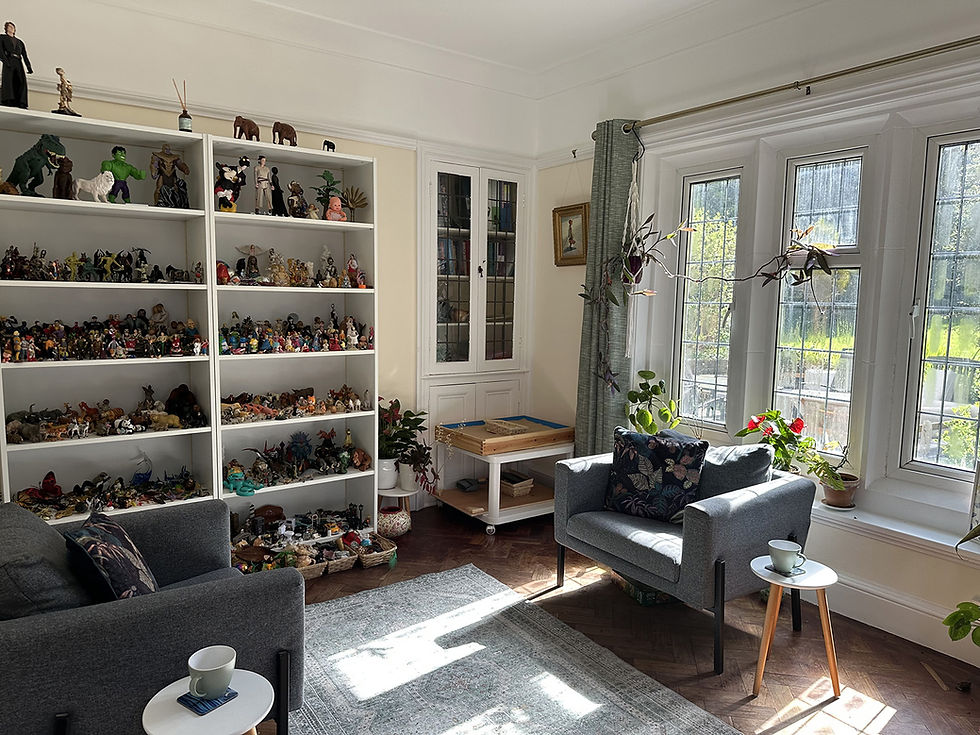
If you'd like to talk about working together, I offer a free 30-minute initial conversation with no obligation. I'm based in Babbacombe, Torquay, with a second room in Wellswood, and I also offer online sessions across the UK.
Kate Renton is a BACP registered counsellor based in Babbacombe, Torquay. She offers in-person counselling, online counselling, and sand tray therapy to adults across Torbay and the UK.
Comments